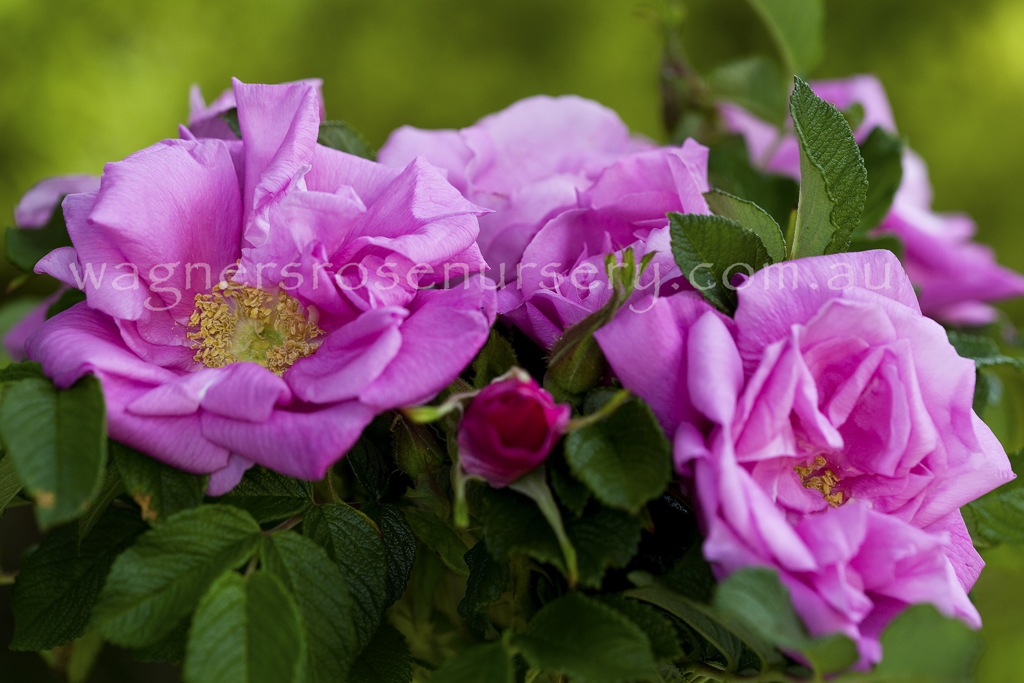
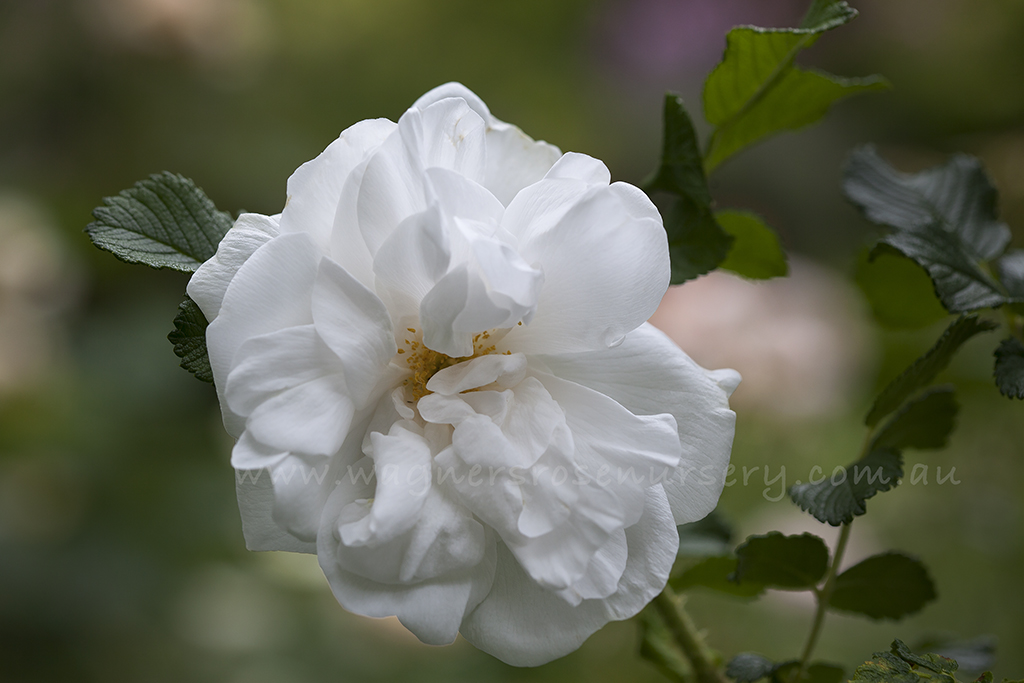
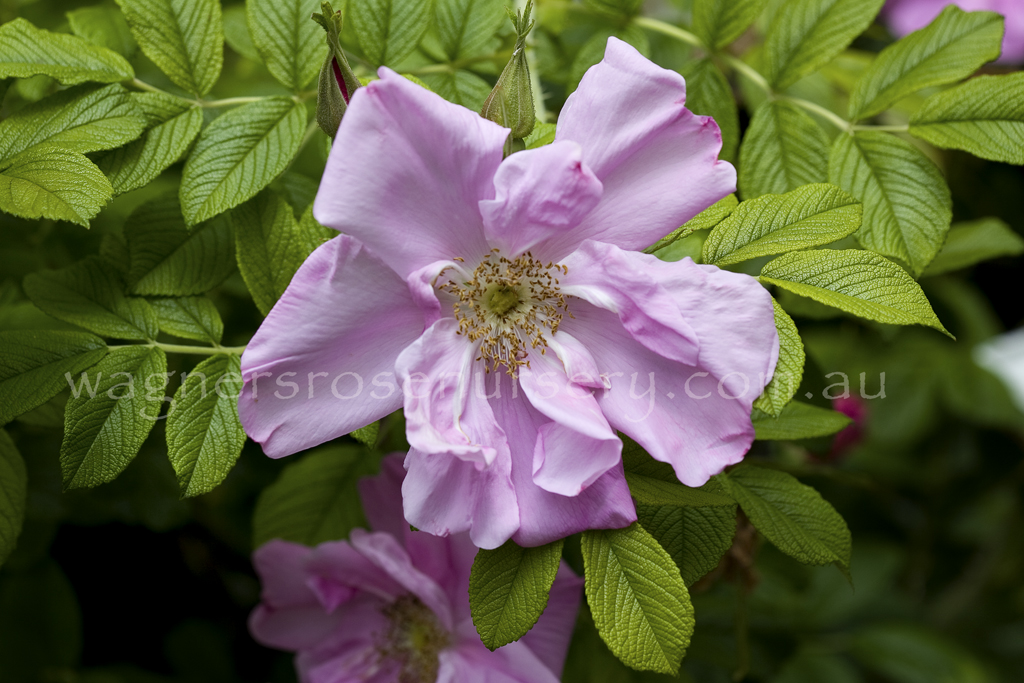
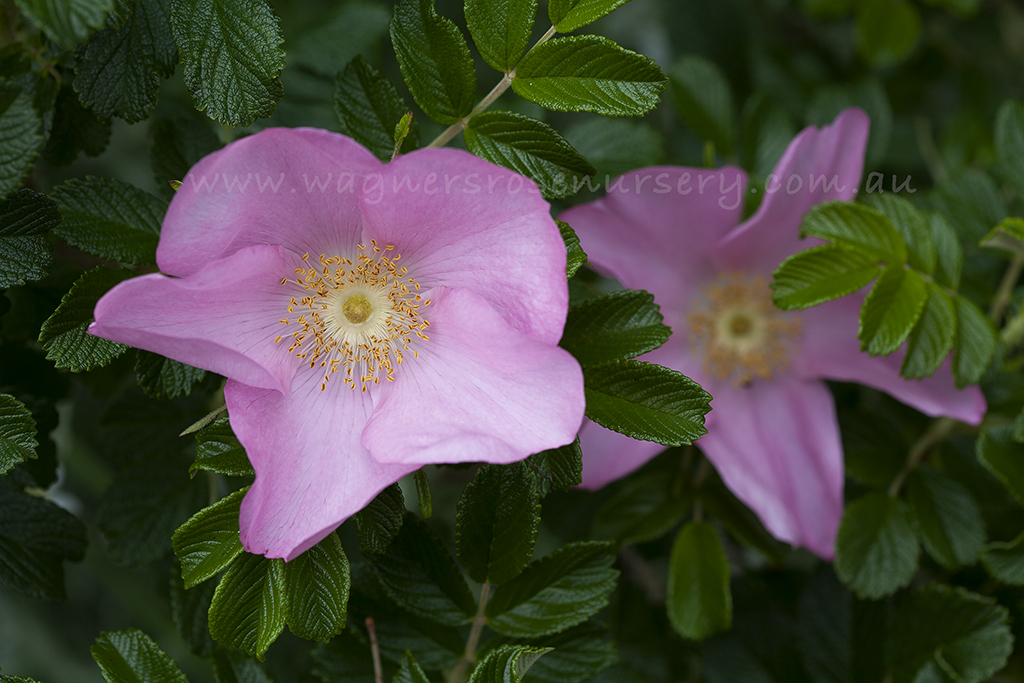
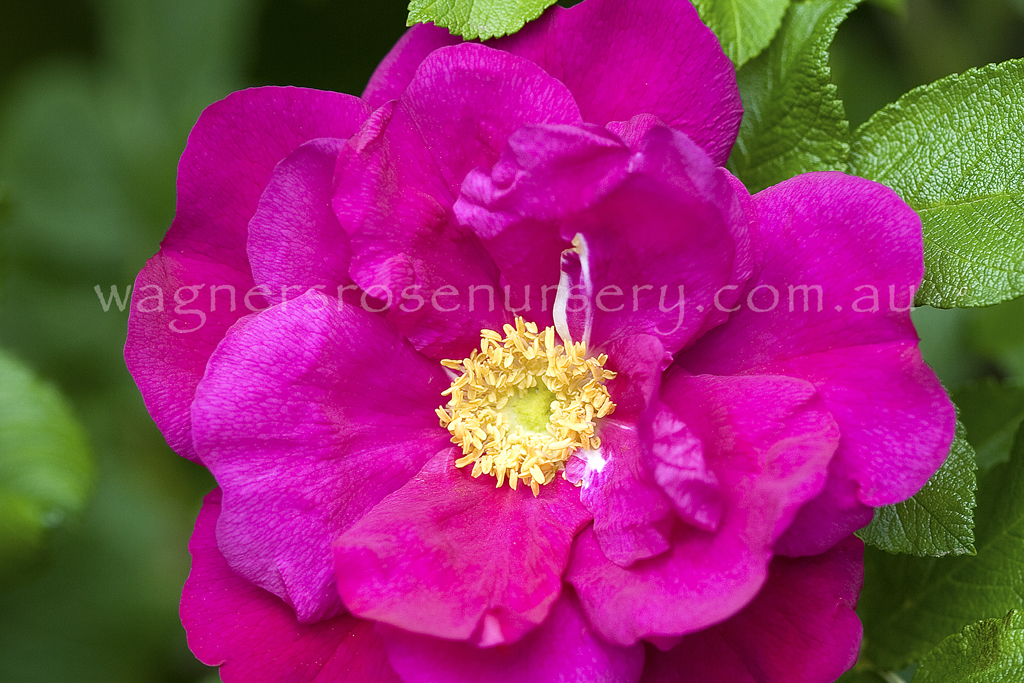
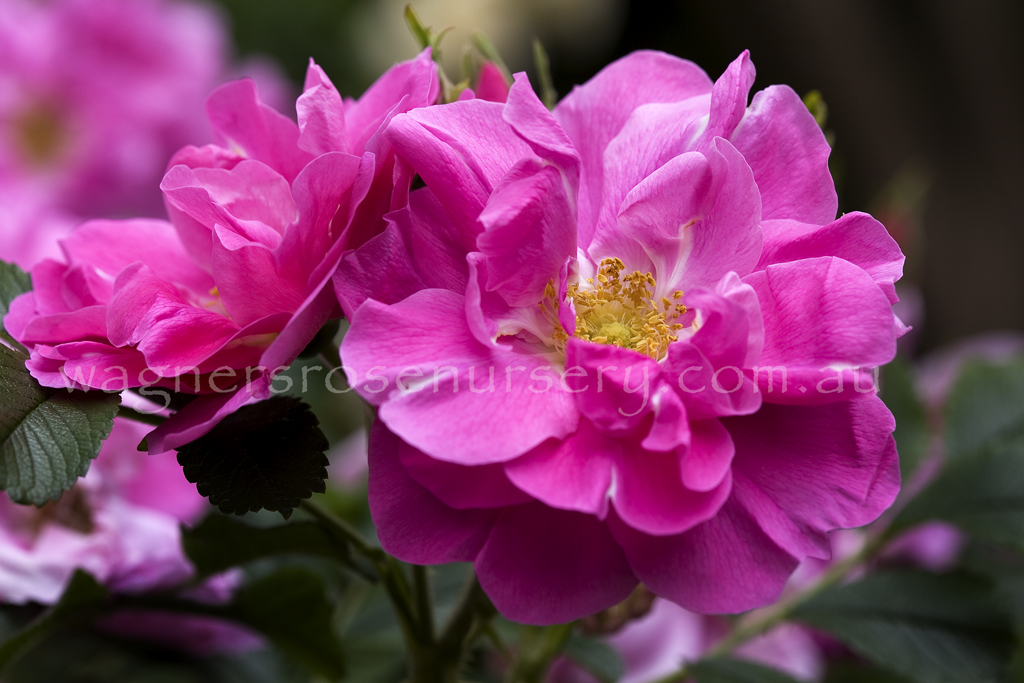
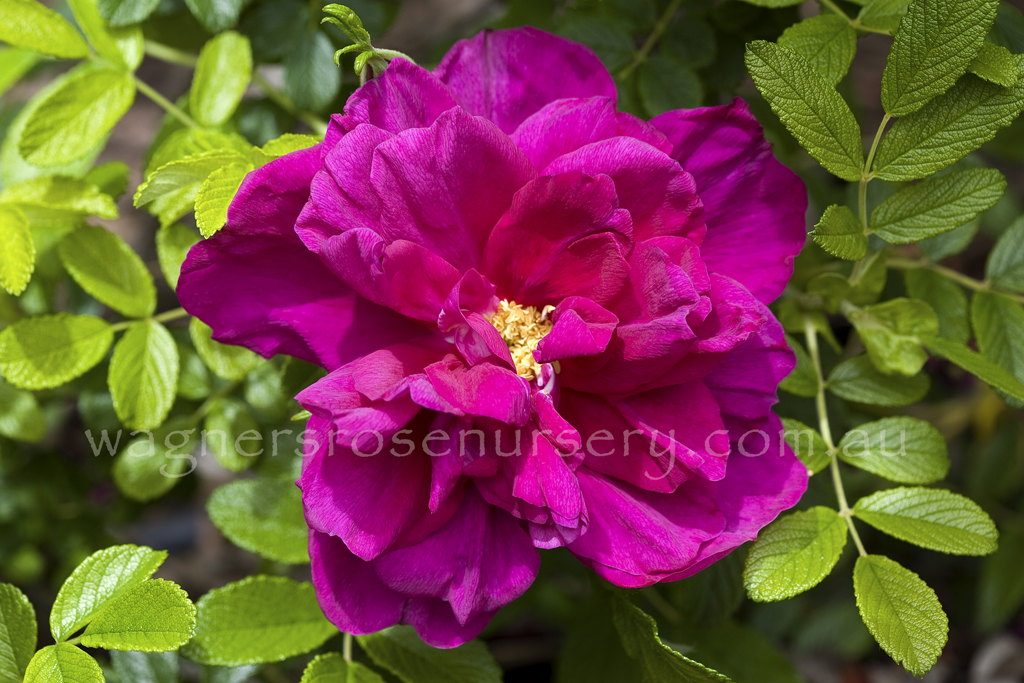
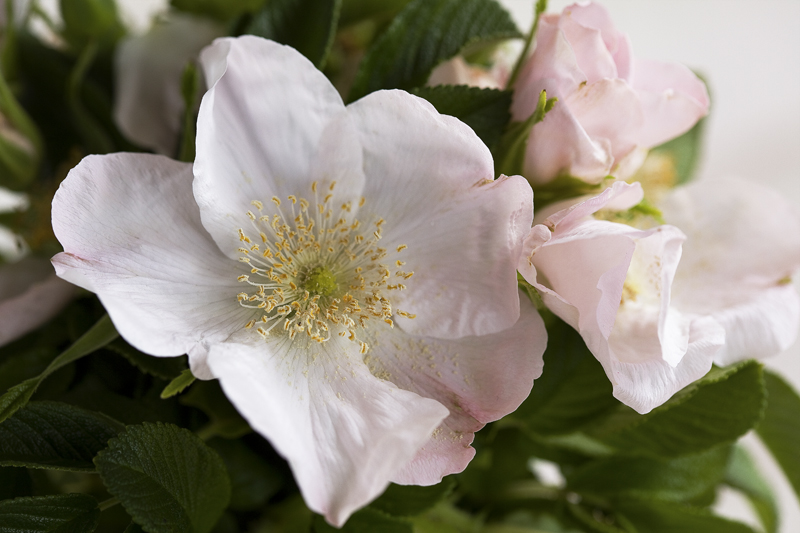
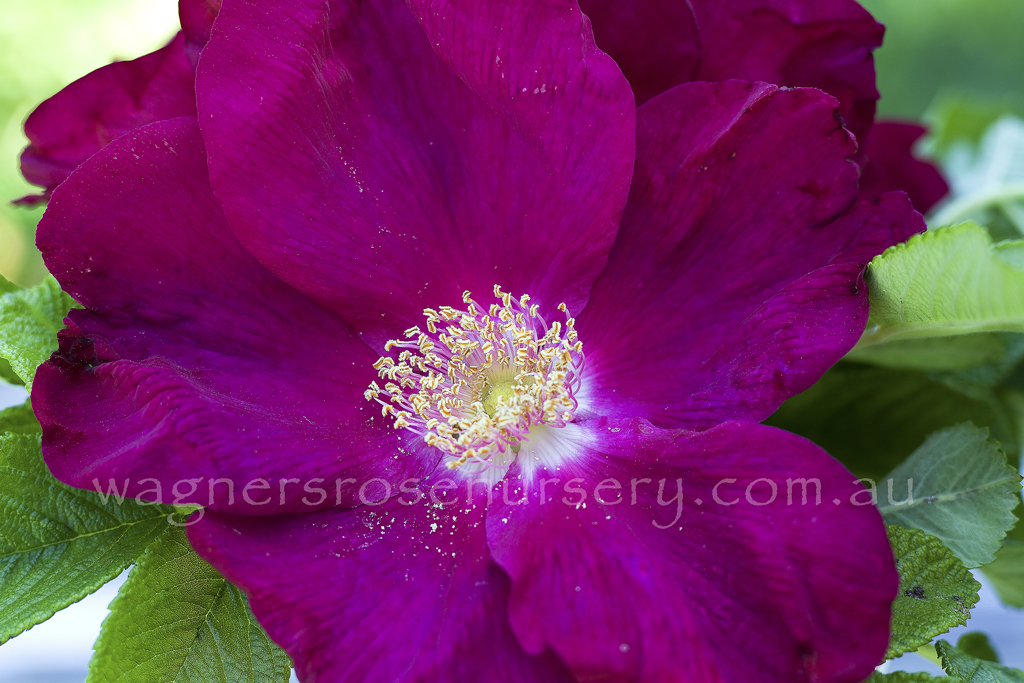
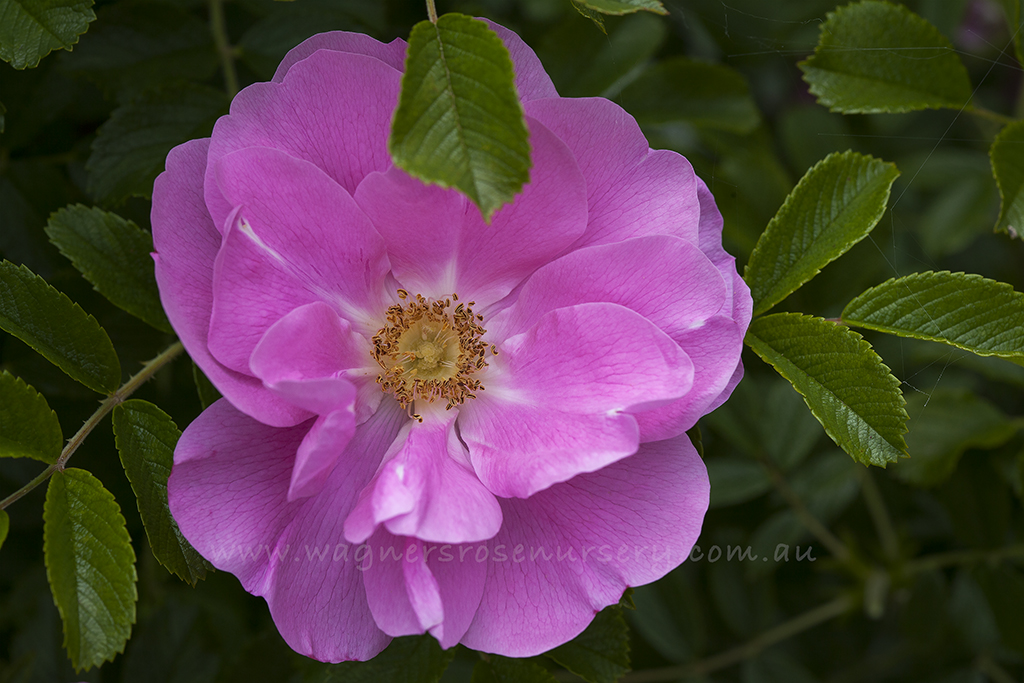
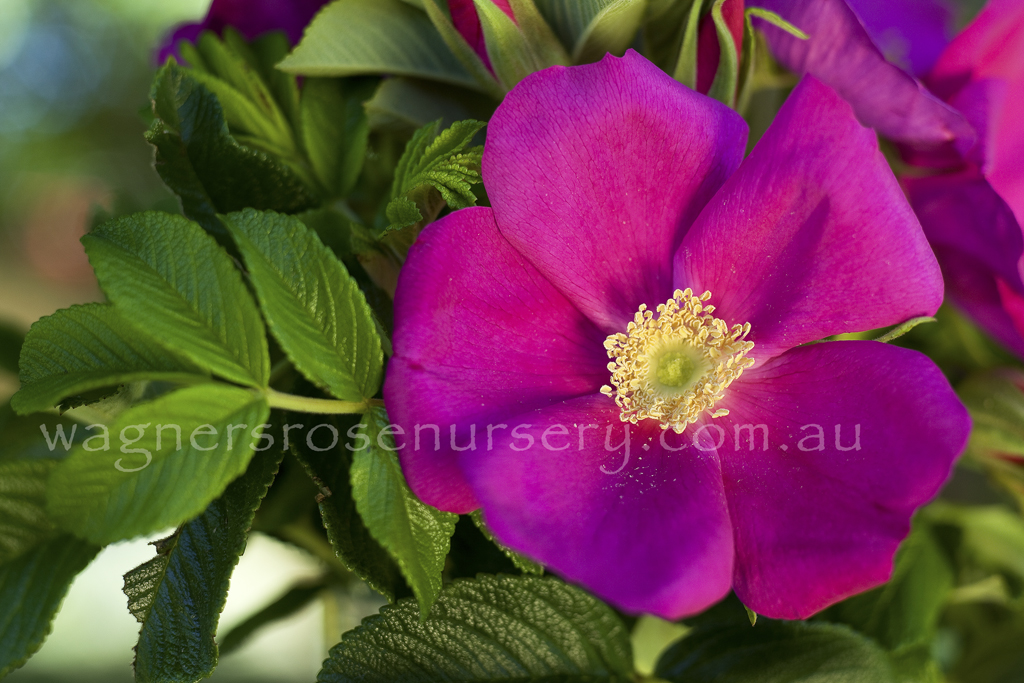
Discover the versatile Rugosa Roses, ideal for creating stunning low hedges or vibrant mass plantings! With their unique, needle-like thorns, these hardy beauties are not just extremely cold tolerant, but they also thrive in sandy soil and salty air, making them perfect for coastal environments.
Often referred to as 'beach roses' or 'Japanese roses', Rugosas are native to Asia and flourish on sand dunes. Their name, derived from the Latin word 'rugosa', highlights the distinctive wrinkled leaves that add character to your garden.
Not only are their foliage highly resistant to diseases, but Rugosas also adapt beautifully to various soil types, including sandy, clay, gravelly, chalky, or loamy. They thrive in partial shade too, and best of all, they don’t require deadheading—allowing you to enjoy their lovely flowers and hips multiple times throughout the season. With their abundance of thorns, deer and rabbits steer clear, and pests find it tough to munch on their leaves.
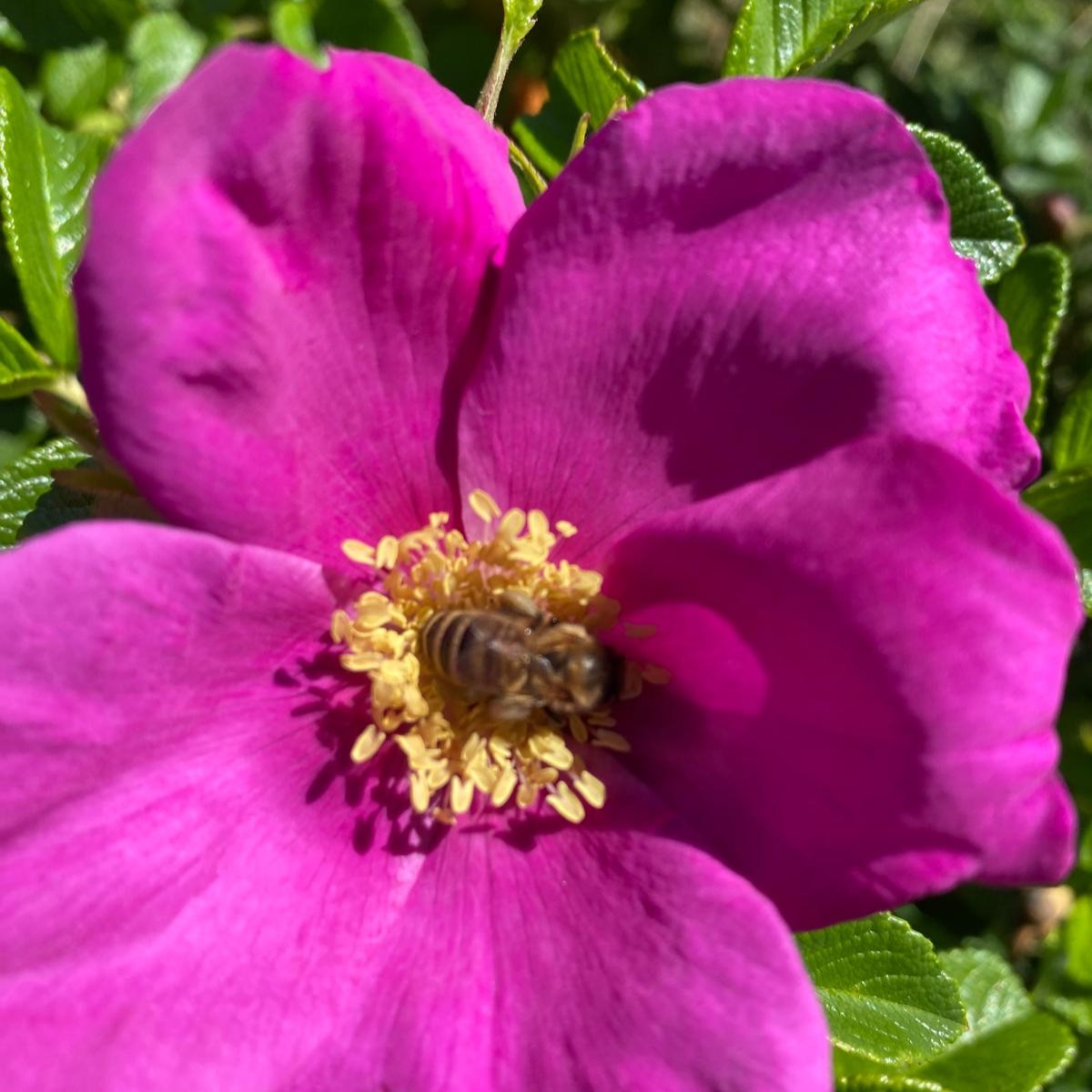
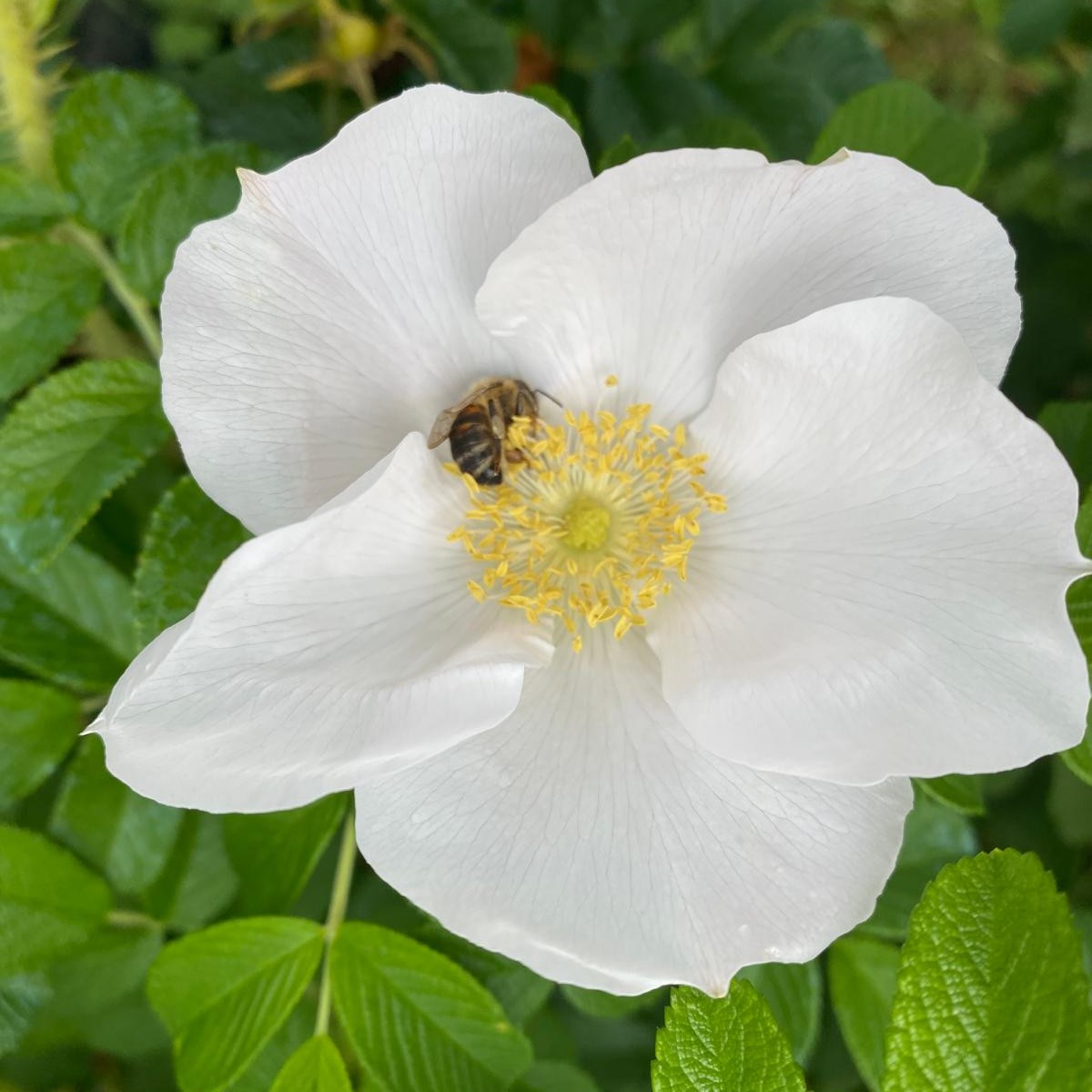
Bees LOVE Rugosa Roses. Every time I walk past Rugosa Alba, Scabrosa, Hansa and Rugspin, the bees are having a party amongst all the pollen. If you want to bring more bee activity into your orchard and vegetable garden - just plant a couple of the bushes listed below.
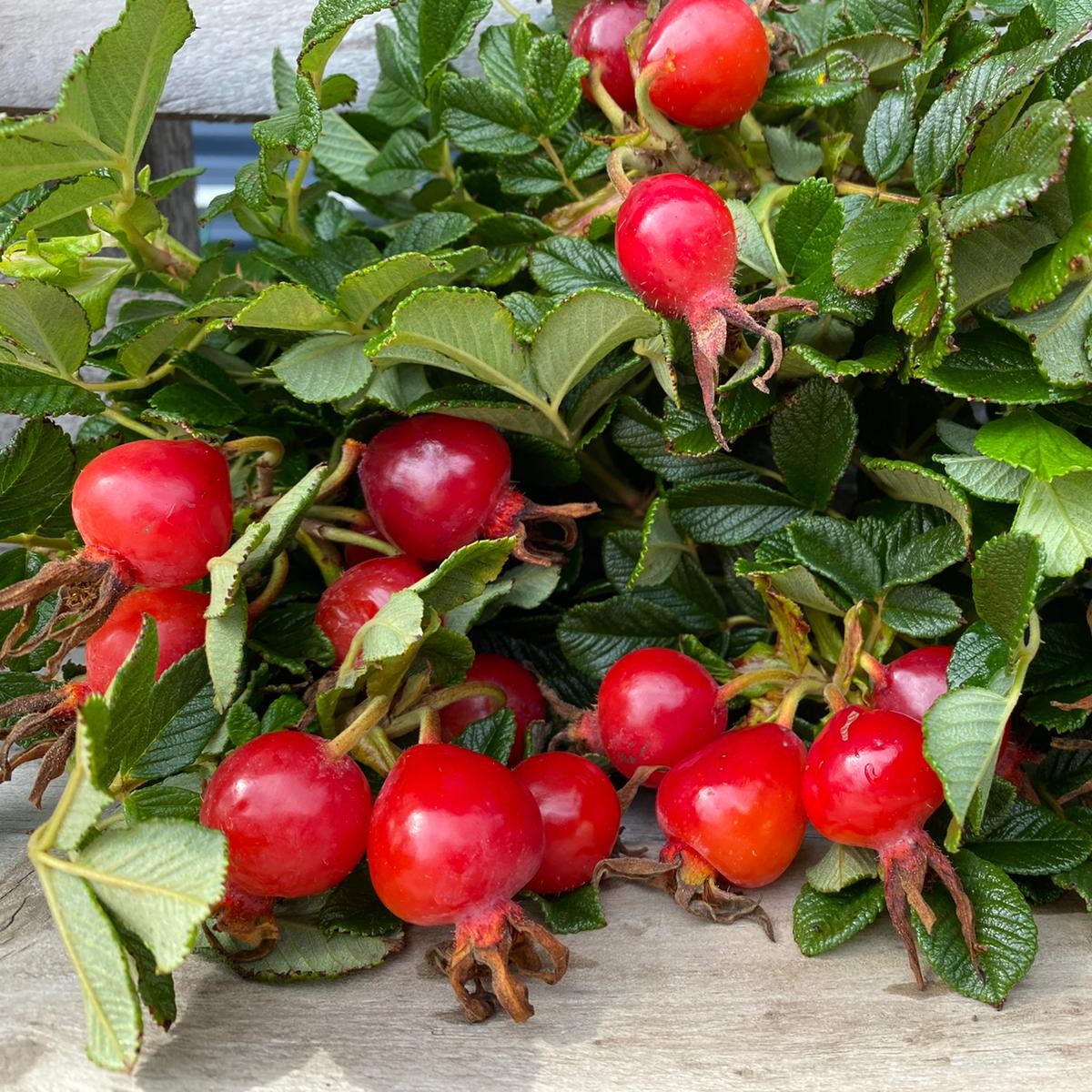
Plus, the rose hips can be harvested for cooking, and they are full of Vitamin C. The most common recipe is Rose Hip Jam, soooo delicious spread on scones with cream! Just make sure the rose plant hasn't been sprayed with any chemicals (they shouldn't because Rugosa Roses don't need maintenance).
|